The Anfal Campaign was a genocidal military operation carried out by the Iraqi regime in the late 1980s
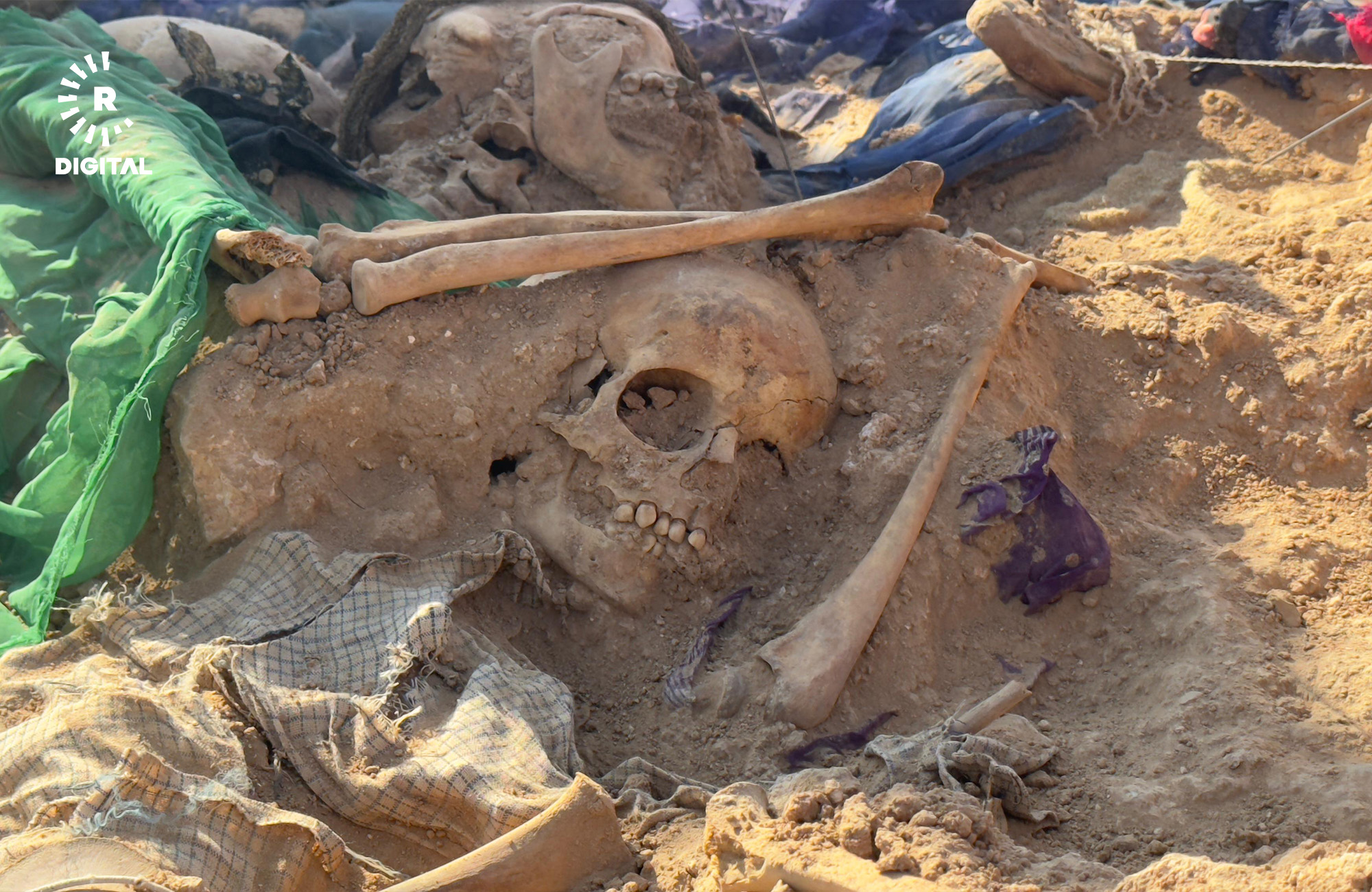
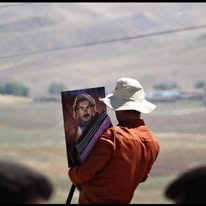
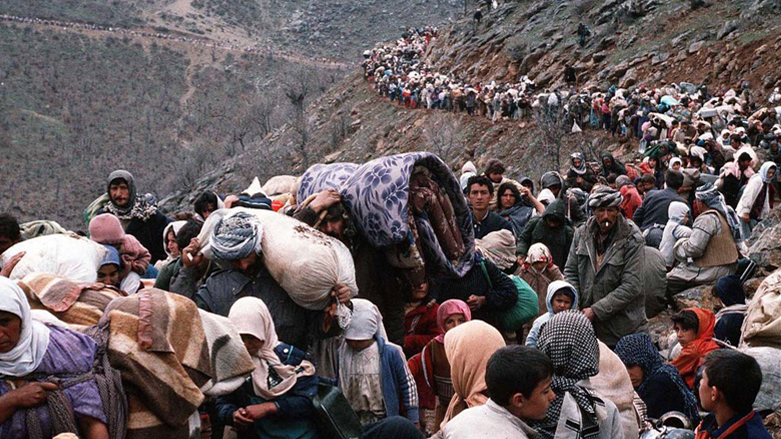
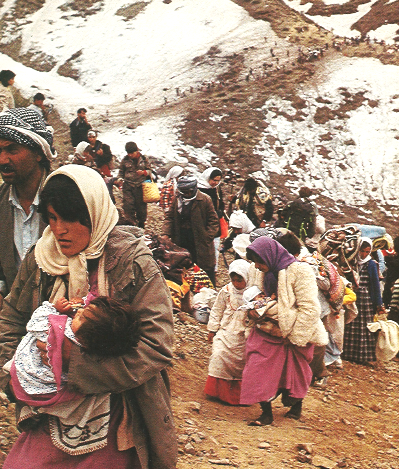
Targeting Kurdish civilians across northern Iraq. Goptapa, a village in the Chamchamal region, witnessed one of the campaign’s most brutal chapters. In 1988, hundreds of residents—men, women, and children—were forcibly taken, many of whom were never seen again. The village was destroyed, its people displaced or killed, and its lands left scarred by violence.
What makes Goptapa especially significant is the depth of loss it endured and the strength of its survivors. Despite its devastation, the community has shown remarkable resilience. Today, Goptapa stands as a symbol of remembrance and resistance, representing both the pain of the past and the hope for a future rebuilt through solidarity, awareness, and development.
From Silence to Strength
In the quiet hills of Goptapa, where silence once echoed with loss, life has slowly returned. What was once barren land now hosts growing gardens, laughter from youth gatherings, and the hum of small workshops taking root. The village roads, once dusty and forgotten, now connect homes filled with purpose and new beginnings.
Children who never met their grandparents—victims of the past—are now learning about their heritage not just through stories of pain, but through community events, environmental projects, and educational programs that look to the future. Trees have been planted where graves once lay unmarked, a quiet tribute to life continuing despite everything.
This change did not happen overnight. It came through hands that chose to build, hearts that chose to heal, and a vision that believed in the power of revival. Goptapa is no longer just a name in history—it’s a living testament to resilience, where every new step forward honors those lost, and every voice raised carries hope.

 Galla Organization